Food & Beverage
Food & Beverage
Food & Beverage
Olipop
Olipop
Olipop
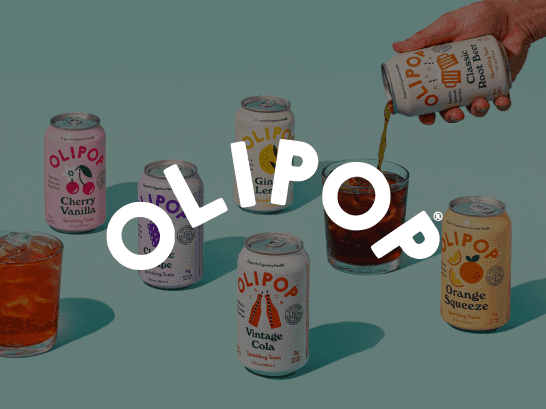
OLIPOP launched in 2018, founded by Ben Goodwin and David Lester to reinvent soda with prebiotics, plant fiber, and a fraction of the sugar. The brand stands for “a new kind of soda” — nostalgic flavors delivered with digestive‑health support — and has rapidly evolved from a challenger in natural grocery to a national retail force with a growing DTC subscription base.
OLIPOP launched in 2018, founded by Ben Goodwin and David Lester to reinvent soda with prebiotics, plant fiber, and a fraction of the sugar. The brand stands for “a new kind of soda” — nostalgic flavors delivered with digestive‑health support — and has rapidly evolved from a challenger in natural grocery to a national retail force with a growing DTC subscription base.
Playbook
Wining Strategy Deep Dive
Have Dexter read it to you ↓
0:00/1:34
Introduction
OLIPOP launched in 2018, founded by Ben Goodwin and David Lester to reinvent soda with prebiotics, plant fiber, and a fraction of the sugar. The brand stands for “a new kind of soda” — nostalgic flavors delivered with digestive‑health support — and has rapidly evolved from a challenger in natural grocery to a national retail force with a growing DTC subscription base. The central growth theme: use culture and taste to acquire, science and value to convert, and flavor cadence to retain. This playbook covers OLIPOP’s recent trajectory, full‑funnel marketing (Acquisition → Conversion → Retention), the technology and operating backbone that enables scale, and pragmatic lessons for operators.
Financial & Growth Snapshot
Revenue scale: ~$400M in 2024, roughly 2× YoY from ~$200M in 2023.
Profitability: Achieved profitability in 2024, supporting reinvestment in flavor R&D and retail expansion.
Valuation & funding: $1.85B valuation following a $50M Series C in Feb 2025.
Household penetration: Reached ~1 in 5 U.S. households by late 2024/early 2025, an unusually rapid adoption curve for a beverage startup.
Retail footprint: Expanded to ~50,000 U.S. doors by 2025 across mass, grocery, club, convenience, and food‑service.
Assortment & innovation: Shelf‑stable line (launched 2024) increased facings and eased logistics while protecting taste and fiber claims.
Channel model: Retail‑led revenue mix with DTC used for limited drops, subscriptions, and first‑party data capture.
Marketing Playbook
Acquisition & Attract
OLIPOP acquires at scale by pairing nostalgia‑driven taste with culture‑native campaigns and retail as media.
1. Nostalgia that travels
Core flavors (Vintage Cola, Cream Soda, Classic Root Beer) mirror legacy soda taste memories — a shortcut to trial across demographics.
Packaging and colorways read from 6+ feet, turning shelves and end‑caps into billboards.
For operators: Anchor at least 60–70% of your lineup in familiar flavor codes — it compresses education time and boosts take‑rate.
2. Culture IP & limited collabs
Timed flavor collabs (e.g., film/TV tie‑ins) create culturally “visible” spikes that retail can operationalize (shippers, end‑caps).
Cross‑platform rollouts (OOH + social + retail POS) transform a niche drop into a national event.
For operators: License judiciously — 2–3 tentpole collabs per year with retail‑ready POG support beats constant micro‑drops.
3. Social‑first UGC and micro‑creator engine
Always‑on TikTok/Instagram seeding drives taste‑test formats and “first sip” reactions; UGC outperforms studio assets in scroll environments.
Whitelisting turns top performing creator posts into performance ads with efficient CPM/CAC.
For operators: Build a creator bench by use‑case (taste test, recipes, nostalgia skits); pre‑clear usage rights for paid.
4. PR‑worthy stunts that earn media
“Senior Soda Consultants” (paid best‑friends road gig) packaged a simple idea for maximal pickup across lifestyle, travel, and local press.
Experiential activations (drive‑thru giveaways, pop‑up tasting bars) convert stunts into capture moments (email/SMS).
For operators: Design stunts with three assets baked in — a tight headline, a striking visual, and a lead‑capture mechanic.
5. Retail as acquisition media
End‑caps, shippers, and club‑size packs act as high‑reach sampling at scale; inserts and QR codes route trial to owned channels.
Joint retail media (RMNs) around flavor launches builds front‑of‑store visibility and captures new households cost‑effectively.
For operators: Treat retail first purchases as MQLs; build landing pages and codes to attribute and re‑target.
6. Evidence‑backed positioning (without overclaiming)
Digestive‑health framing (“supports a healthy microbiome”) is paired with sugar‑per‑can and fiber‑per‑can proof — clear, compliant, repeatable.
Science content is educational, not clinical marketing — minimizing regulatory risk while elevating trust.
For operators: Lead with simple metrics (sugar, fiber, calories) and link to deeper education for those who want it.
Conversion
OLIPOP converts curiosity into basket by reducing risk (taste + value), simplifying choice, and aligning price‑pack architecture to occasion.
1. Cost‑per‑can and “better trade” framing
Messaging translates $/case into cost per can, benchmarked against legacy soda, kombucha, and energy drinks.
Value reinforcement sits next to taste claims on PDPs and shelf talkers to close the rational loop.
For operators: Standardize “per‑use” math across ads, PDPs, and retail POS to lift CVR.
2. Discovery packs and “build‑a‑case” UX
Variety 12‑packs and “try three flavors” kits remove indecision and surface future favorites — boosting first‑order AOV and second‑order repeat.
“Build‑a‑case” flows reduce cart friction and personalize flavor data for lifecycle marketing.
For operators: Bundle for discovery (not margin optics) on order #1; it pays back in retention.
3. Proof‑rich PDPs with taste first, function second
Hierarchy: taste notes → sugar/fiber stats → ingredient story → FAQs and claim disclaimers.
Short creator videos (“first sip,” “dupe of X soda”) sit above the fold to overcome flavor skepticism.
For operators: Put a 15–30s taste test atop PDPs; it consistently outperforms long-form wellness copy.
4. Subscription that respects cadence
DTC offers subscribe‑and‑save with clear skip/swap/cancel and cadence presets aligned to realistic weekly consumption.
Stick packs for on‑the‑go and shelf‑stable cans reduce “oversupply” cancellations.
For operators: Set default cadence to match average weekly usage, not warehouse logic.
5. Price‑pack architecture matched to channel
Singles for cold box trial; 4‑packs/8‑packs for grocery baskets; club cases for pantry loading; DTC bundles for variety seekers.
Consistent SRPs by pack mitigate promo whiplash and protect brand positioning.
For operators: Define packs by occasion (single, basket, pantry, discovery) and hold them steady across channels.
6. Shelf‑stable formula as friction killer
Room‑temp stability unlocks more facings, easier e‑commerce shipping, and broader cold box placement when available.
Improves availability and reduces OOS events that hurt conversion and repeat.
For operators: If your product had handling friction, invest in a packaging/format solve — it’s a conversion lever, not just ops.
Retention & Loyalty
Retention is driven by flavor cadence, habit cues, and community participation — not coupon addiction.
1. Flavor calendar as a CRM spine
Quarterly seasonal flavors and periodic returns of fan favorites (e.g., Orange Cream) create predictable re‑engagement spikes.
Waitlists and early‑access windows convert anticipation into repeat orders.
For operators: Ship a 12‑month drop calendar; align lifecycle emails/SMS and retail RMNs around it.
2. Onboarding that builds a daily cue
Post‑purchase flows teach “best serve” rituals (ice‑cold, with lunch, as a 3pm swap) and recipe content (floats, mocktails).
Aim: establish a specific time/place for OLIPOP in the day to drive habit.
For operators: Write your onboarding around a moment, not a message.
3. Lifecycle segmentation by flavor persona
Segments by citrus/cola/cream preferences, sweetness tolerance, and pack size; dynamic blocks recommend adjacent flavors.
Cross‑sell “pantry ready” SKUs to subscribers who travel or stock up.
For operators: Use build‑a‑case data to power recommendations; it’s the easiest retention win in beverages.
4. Community UGC as weekly drumbeat
Feature customer taste tests, side‑by‑sides with legacy sodas, and at‑home recipes; reposts build identity and reduce creative costs.
Named community rituals (e.g., #FridgeRestock Friday) keep sharing consistent.
For operators: Name the ritual and show up every week; regularity compounds.
5. Reason‑based churn saves
If “too sweet,” offer lighter flavor swaps; if “too much stock,” push cadence or smaller packs; if “price,” offer bundle credit rather than %‑off.
“Pause” defaults protect cohorts and reduce reinstatement friction.
For operators: Pre‑build three cures for your top three cancel reasons and surface them in‑flow.
6. Retail ↔ DTC loop
Inserts in retail packs invite customers to claim perks (early access, merch) on DTC; DTC then drives specific store pickups for new flavors.
The loop creates owned audience growth even in a retail‑heavy P&L.
For operators: Treat retail packaging as a lead gen surface — QR + value exchange, always.
Journey Summary
OLIPOP’s growth loop is taste‑led acquisition (nostalgia flavors, creator UGC, retail end‑caps) that converts through cost‑per‑can framing, discovery bundles, and shelf‑stable access — then retains with a flavor calendar, habit cues, and reason‑based saves. Retail functions as paid reach; DTC captures data, subscriptions, and margins. The outputs are faster CAC payback, rising repeat rates, and resilience against promo cycles.
Design & Build (Technology, UX & Performance)
OLIPOP’s stack and ops emphasize speed, reliability, and retail‑DTC orchestration.
Commerce platform: Shopify‑based storefront with multi‑store support for drops, bundles, and subscriptions; “build‑a‑case” UX for AOV and preference data.
CRM & messaging: Klaviyo + SMS for lifecycle automation (onboarding, replenishment, win‑back) with dynamic content blocks by flavor segment.
Support & logistics: Modern helpdesk and order‑tracking stack (e.g., Gorgias + shipment tracking) to cut WISMO and reduce friction.
Analytics & BI: GA4 + ad platform data stitched to a BI dashboard reading cohort repeat, flavor attach, promo elasticity, and RMN efficiency.
Retail enablement: Price‑pack architecture (single/4‑pack/8‑pack/club) synchronized with retailer calendars; RMN and geo‑targeted media tied to store availability.
Creative ops: Creator seeding pipeline with asset rights for whitelisting and OOH; modular templates to refresh ads weekly without full reshoots.
Product & fulfillment: Shelf‑stable innovation reduces cold‑chain constraints, expands facings, and lowers DTC shipping costs; co‑manufacturing with strict QA maintains flavor parity across formats.
Strategic Lessons for Operators
Lead with taste, justify with numbers. Win the heart with flavor, close the deal with cost‑, sugar‑, and fiber‑per‑serving.
Own a drop calendar. Flavor cadence is the cheapest retention lever in beverages.
Turn retail into a data source. Use packaging to pull trialers into your owned channels; retail is reach, DTC is LTV.
Design stunts for headlines. A simple, PR‑ready concept can out‑perform months of mid‑budget ads.
Bundle for discovery. Variety kits lift AOV and generate preference data that fuels lifecycle revenue.
Cadence prevents churn. Set subscription defaults to real usage; oversupply is the silent churn driver.
Whitelisting > one‑off posts. Turn best creator content into always‑on paid — it outlasts organic peaks.
Evidence without overclaiming. Keep functional proof clear and consumer‑friendly to build trust and avoid compliance drag.
Shelf‑stable or format solves convert. Removing handling friction is a growth and margin unlock, not just an ops fix.
Measure second‑order economics. Optimize to LTV/CAC and payback, not just first‑order ROAS.
Key Takeaways
OLIPOP scaled by fusing nostalgic taste with functional credibility, making a premium trade‑up feel obvious.
A retail‑as‑media mindset plus DTC for data and drops produced efficient acquisition and compounding retention.
Flavor cadence (planned, seasonal, and resurrected favorites) drives repeat without discount addiction.
Shelf‑stable innovation removed a key friction point, expanding facings and improving DTC economics.
For operators: build habit and anticipation, not just distribution — growth follows when your calendar, packaging, and lifecycle are choreographed.
Wining Strategy Deep Dive
Playbook
Have Dexter read it to you ↓
0:00/1:34
Introduction
OLIPOP launched in 2018, founded by Ben Goodwin and David Lester to reinvent soda with prebiotics, plant fiber, and a fraction of the sugar. The brand stands for “a new kind of soda” — nostalgic flavors delivered with digestive‑health support — and has rapidly evolved from a challenger in natural grocery to a national retail force with a growing DTC subscription base. The central growth theme: use culture and taste to acquire, science and value to convert, and flavor cadence to retain. This playbook covers OLIPOP’s recent trajectory, full‑funnel marketing (Acquisition → Conversion → Retention), the technology and operating backbone that enables scale, and pragmatic lessons for operators.
Financial & Growth Snapshot
Revenue scale: ~$400M in 2024, roughly 2× YoY from ~$200M in 2023.
Profitability: Achieved profitability in 2024, supporting reinvestment in flavor R&D and retail expansion.
Valuation & funding: $1.85B valuation following a $50M Series C in Feb 2025.
Household penetration: Reached ~1 in 5 U.S. households by late 2024/early 2025, an unusually rapid adoption curve for a beverage startup.
Retail footprint: Expanded to ~50,000 U.S. doors by 2025 across mass, grocery, club, convenience, and food‑service.
Assortment & innovation: Shelf‑stable line (launched 2024) increased facings and eased logistics while protecting taste and fiber claims.
Channel model: Retail‑led revenue mix with DTC used for limited drops, subscriptions, and first‑party data capture.
Marketing Playbook
Acquisition & Attract
OLIPOP acquires at scale by pairing nostalgia‑driven taste with culture‑native campaigns and retail as media.
1. Nostalgia that travels
Core flavors (Vintage Cola, Cream Soda, Classic Root Beer) mirror legacy soda taste memories — a shortcut to trial across demographics.
Packaging and colorways read from 6+ feet, turning shelves and end‑caps into billboards.
For operators: Anchor at least 60–70% of your lineup in familiar flavor codes — it compresses education time and boosts take‑rate.
2. Culture IP & limited collabs
Timed flavor collabs (e.g., film/TV tie‑ins) create culturally “visible” spikes that retail can operationalize (shippers, end‑caps).
Cross‑platform rollouts (OOH + social + retail POS) transform a niche drop into a national event.
For operators: License judiciously — 2–3 tentpole collabs per year with retail‑ready POG support beats constant micro‑drops.
3. Social‑first UGC and micro‑creator engine
Always‑on TikTok/Instagram seeding drives taste‑test formats and “first sip” reactions; UGC outperforms studio assets in scroll environments.
Whitelisting turns top performing creator posts into performance ads with efficient CPM/CAC.
For operators: Build a creator bench by use‑case (taste test, recipes, nostalgia skits); pre‑clear usage rights for paid.
4. PR‑worthy stunts that earn media
“Senior Soda Consultants” (paid best‑friends road gig) packaged a simple idea for maximal pickup across lifestyle, travel, and local press.
Experiential activations (drive‑thru giveaways, pop‑up tasting bars) convert stunts into capture moments (email/SMS).
For operators: Design stunts with three assets baked in — a tight headline, a striking visual, and a lead‑capture mechanic.
5. Retail as acquisition media
End‑caps, shippers, and club‑size packs act as high‑reach sampling at scale; inserts and QR codes route trial to owned channels.
Joint retail media (RMNs) around flavor launches builds front‑of‑store visibility and captures new households cost‑effectively.
For operators: Treat retail first purchases as MQLs; build landing pages and codes to attribute and re‑target.
6. Evidence‑backed positioning (without overclaiming)
Digestive‑health framing (“supports a healthy microbiome”) is paired with sugar‑per‑can and fiber‑per‑can proof — clear, compliant, repeatable.
Science content is educational, not clinical marketing — minimizing regulatory risk while elevating trust.
For operators: Lead with simple metrics (sugar, fiber, calories) and link to deeper education for those who want it.
Conversion
OLIPOP converts curiosity into basket by reducing risk (taste + value), simplifying choice, and aligning price‑pack architecture to occasion.
1. Cost‑per‑can and “better trade” framing
Messaging translates $/case into cost per can, benchmarked against legacy soda, kombucha, and energy drinks.
Value reinforcement sits next to taste claims on PDPs and shelf talkers to close the rational loop.
For operators: Standardize “per‑use” math across ads, PDPs, and retail POS to lift CVR.
2. Discovery packs and “build‑a‑case” UX
Variety 12‑packs and “try three flavors” kits remove indecision and surface future favorites — boosting first‑order AOV and second‑order repeat.
“Build‑a‑case” flows reduce cart friction and personalize flavor data for lifecycle marketing.
For operators: Bundle for discovery (not margin optics) on order #1; it pays back in retention.
3. Proof‑rich PDPs with taste first, function second
Hierarchy: taste notes → sugar/fiber stats → ingredient story → FAQs and claim disclaimers.
Short creator videos (“first sip,” “dupe of X soda”) sit above the fold to overcome flavor skepticism.
For operators: Put a 15–30s taste test atop PDPs; it consistently outperforms long-form wellness copy.
4. Subscription that respects cadence
DTC offers subscribe‑and‑save with clear skip/swap/cancel and cadence presets aligned to realistic weekly consumption.
Stick packs for on‑the‑go and shelf‑stable cans reduce “oversupply” cancellations.
For operators: Set default cadence to match average weekly usage, not warehouse logic.
5. Price‑pack architecture matched to channel
Singles for cold box trial; 4‑packs/8‑packs for grocery baskets; club cases for pantry loading; DTC bundles for variety seekers.
Consistent SRPs by pack mitigate promo whiplash and protect brand positioning.
For operators: Define packs by occasion (single, basket, pantry, discovery) and hold them steady across channels.
6. Shelf‑stable formula as friction killer
Room‑temp stability unlocks more facings, easier e‑commerce shipping, and broader cold box placement when available.
Improves availability and reduces OOS events that hurt conversion and repeat.
For operators: If your product had handling friction, invest in a packaging/format solve — it’s a conversion lever, not just ops.
Retention & Loyalty
Retention is driven by flavor cadence, habit cues, and community participation — not coupon addiction.
1. Flavor calendar as a CRM spine
Quarterly seasonal flavors and periodic returns of fan favorites (e.g., Orange Cream) create predictable re‑engagement spikes.
Waitlists and early‑access windows convert anticipation into repeat orders.
For operators: Ship a 12‑month drop calendar; align lifecycle emails/SMS and retail RMNs around it.
2. Onboarding that builds a daily cue
Post‑purchase flows teach “best serve” rituals (ice‑cold, with lunch, as a 3pm swap) and recipe content (floats, mocktails).
Aim: establish a specific time/place for OLIPOP in the day to drive habit.
For operators: Write your onboarding around a moment, not a message.
3. Lifecycle segmentation by flavor persona
Segments by citrus/cola/cream preferences, sweetness tolerance, and pack size; dynamic blocks recommend adjacent flavors.
Cross‑sell “pantry ready” SKUs to subscribers who travel or stock up.
For operators: Use build‑a‑case data to power recommendations; it’s the easiest retention win in beverages.
4. Community UGC as weekly drumbeat
Feature customer taste tests, side‑by‑sides with legacy sodas, and at‑home recipes; reposts build identity and reduce creative costs.
Named community rituals (e.g., #FridgeRestock Friday) keep sharing consistent.
For operators: Name the ritual and show up every week; regularity compounds.
5. Reason‑based churn saves
If “too sweet,” offer lighter flavor swaps; if “too much stock,” push cadence or smaller packs; if “price,” offer bundle credit rather than %‑off.
“Pause” defaults protect cohorts and reduce reinstatement friction.
For operators: Pre‑build three cures for your top three cancel reasons and surface them in‑flow.
6. Retail ↔ DTC loop
Inserts in retail packs invite customers to claim perks (early access, merch) on DTC; DTC then drives specific store pickups for new flavors.
The loop creates owned audience growth even in a retail‑heavy P&L.
For operators: Treat retail packaging as a lead gen surface — QR + value exchange, always.
Journey Summary
OLIPOP’s growth loop is taste‑led acquisition (nostalgia flavors, creator UGC, retail end‑caps) that converts through cost‑per‑can framing, discovery bundles, and shelf‑stable access — then retains with a flavor calendar, habit cues, and reason‑based saves. Retail functions as paid reach; DTC captures data, subscriptions, and margins. The outputs are faster CAC payback, rising repeat rates, and resilience against promo cycles.
Design & Build (Technology, UX & Performance)
OLIPOP’s stack and ops emphasize speed, reliability, and retail‑DTC orchestration.
Commerce platform: Shopify‑based storefront with multi‑store support for drops, bundles, and subscriptions; “build‑a‑case” UX for AOV and preference data.
CRM & messaging: Klaviyo + SMS for lifecycle automation (onboarding, replenishment, win‑back) with dynamic content blocks by flavor segment.
Support & logistics: Modern helpdesk and order‑tracking stack (e.g., Gorgias + shipment tracking) to cut WISMO and reduce friction.
Analytics & BI: GA4 + ad platform data stitched to a BI dashboard reading cohort repeat, flavor attach, promo elasticity, and RMN efficiency.
Retail enablement: Price‑pack architecture (single/4‑pack/8‑pack/club) synchronized with retailer calendars; RMN and geo‑targeted media tied to store availability.
Creative ops: Creator seeding pipeline with asset rights for whitelisting and OOH; modular templates to refresh ads weekly without full reshoots.
Product & fulfillment: Shelf‑stable innovation reduces cold‑chain constraints, expands facings, and lowers DTC shipping costs; co‑manufacturing with strict QA maintains flavor parity across formats.
Strategic Lessons for Operators
Lead with taste, justify with numbers. Win the heart with flavor, close the deal with cost‑, sugar‑, and fiber‑per‑serving.
Own a drop calendar. Flavor cadence is the cheapest retention lever in beverages.
Turn retail into a data source. Use packaging to pull trialers into your owned channels; retail is reach, DTC is LTV.
Design stunts for headlines. A simple, PR‑ready concept can out‑perform months of mid‑budget ads.
Bundle for discovery. Variety kits lift AOV and generate preference data that fuels lifecycle revenue.
Cadence prevents churn. Set subscription defaults to real usage; oversupply is the silent churn driver.
Whitelisting > one‑off posts. Turn best creator content into always‑on paid — it outlasts organic peaks.
Evidence without overclaiming. Keep functional proof clear and consumer‑friendly to build trust and avoid compliance drag.
Shelf‑stable or format solves convert. Removing handling friction is a growth and margin unlock, not just an ops fix.
Measure second‑order economics. Optimize to LTV/CAC and payback, not just first‑order ROAS.
Key Takeaways
OLIPOP scaled by fusing nostalgic taste with functional credibility, making a premium trade‑up feel obvious.
A retail‑as‑media mindset plus DTC for data and drops produced efficient acquisition and compounding retention.
Flavor cadence (planned, seasonal, and resurrected favorites) drives repeat without discount addiction.
Shelf‑stable innovation removed a key friction point, expanding facings and improving DTC economics.
For operators: build habit and anticipation, not just distribution — growth follows when your calendar, packaging, and lifecycle are choreographed.
Playbook
Wining Strategy Deep Dive
Have Dexter read it to you ↓
0:00/1:34
Introduction
OLIPOP launched in 2018, founded by Ben Goodwin and David Lester to reinvent soda with prebiotics, plant fiber, and a fraction of the sugar. The brand stands for “a new kind of soda” — nostalgic flavors delivered with digestive‑health support — and has rapidly evolved from a challenger in natural grocery to a national retail force with a growing DTC subscription base. The central growth theme: use culture and taste to acquire, science and value to convert, and flavor cadence to retain. This playbook covers OLIPOP’s recent trajectory, full‑funnel marketing (Acquisition → Conversion → Retention), the technology and operating backbone that enables scale, and pragmatic lessons for operators.
Financial & Growth Snapshot
Revenue scale: ~$400M in 2024, roughly 2× YoY from ~$200M in 2023.
Profitability: Achieved profitability in 2024, supporting reinvestment in flavor R&D and retail expansion.
Valuation & funding: $1.85B valuation following a $50M Series C in Feb 2025.
Household penetration: Reached ~1 in 5 U.S. households by late 2024/early 2025, an unusually rapid adoption curve for a beverage startup.
Retail footprint: Expanded to ~50,000 U.S. doors by 2025 across mass, grocery, club, convenience, and food‑service.
Assortment & innovation: Shelf‑stable line (launched 2024) increased facings and eased logistics while protecting taste and fiber claims.
Channel model: Retail‑led revenue mix with DTC used for limited drops, subscriptions, and first‑party data capture.
Marketing Playbook
Acquisition & Attract
OLIPOP acquires at scale by pairing nostalgia‑driven taste with culture‑native campaigns and retail as media.
1. Nostalgia that travels
Core flavors (Vintage Cola, Cream Soda, Classic Root Beer) mirror legacy soda taste memories — a shortcut to trial across demographics.
Packaging and colorways read from 6+ feet, turning shelves and end‑caps into billboards.
For operators: Anchor at least 60–70% of your lineup in familiar flavor codes — it compresses education time and boosts take‑rate.
2. Culture IP & limited collabs
Timed flavor collabs (e.g., film/TV tie‑ins) create culturally “visible” spikes that retail can operationalize (shippers, end‑caps).
Cross‑platform rollouts (OOH + social + retail POS) transform a niche drop into a national event.
For operators: License judiciously — 2–3 tentpole collabs per year with retail‑ready POG support beats constant micro‑drops.
3. Social‑first UGC and micro‑creator engine
Always‑on TikTok/Instagram seeding drives taste‑test formats and “first sip” reactions; UGC outperforms studio assets in scroll environments.
Whitelisting turns top performing creator posts into performance ads with efficient CPM/CAC.
For operators: Build a creator bench by use‑case (taste test, recipes, nostalgia skits); pre‑clear usage rights for paid.
4. PR‑worthy stunts that earn media
“Senior Soda Consultants” (paid best‑friends road gig) packaged a simple idea for maximal pickup across lifestyle, travel, and local press.
Experiential activations (drive‑thru giveaways, pop‑up tasting bars) convert stunts into capture moments (email/SMS).
For operators: Design stunts with three assets baked in — a tight headline, a striking visual, and a lead‑capture mechanic.
5. Retail as acquisition media
End‑caps, shippers, and club‑size packs act as high‑reach sampling at scale; inserts and QR codes route trial to owned channels.
Joint retail media (RMNs) around flavor launches builds front‑of‑store visibility and captures new households cost‑effectively.
For operators: Treat retail first purchases as MQLs; build landing pages and codes to attribute and re‑target.
6. Evidence‑backed positioning (without overclaiming)
Digestive‑health framing (“supports a healthy microbiome”) is paired with sugar‑per‑can and fiber‑per‑can proof — clear, compliant, repeatable.
Science content is educational, not clinical marketing — minimizing regulatory risk while elevating trust.
For operators: Lead with simple metrics (sugar, fiber, calories) and link to deeper education for those who want it.
Conversion
OLIPOP converts curiosity into basket by reducing risk (taste + value), simplifying choice, and aligning price‑pack architecture to occasion.
1. Cost‑per‑can and “better trade” framing
Messaging translates $/case into cost per can, benchmarked against legacy soda, kombucha, and energy drinks.
Value reinforcement sits next to taste claims on PDPs and shelf talkers to close the rational loop.
For operators: Standardize “per‑use” math across ads, PDPs, and retail POS to lift CVR.
2. Discovery packs and “build‑a‑case” UX
Variety 12‑packs and “try three flavors” kits remove indecision and surface future favorites — boosting first‑order AOV and second‑order repeat.
“Build‑a‑case” flows reduce cart friction and personalize flavor data for lifecycle marketing.
For operators: Bundle for discovery (not margin optics) on order #1; it pays back in retention.
3. Proof‑rich PDPs with taste first, function second
Hierarchy: taste notes → sugar/fiber stats → ingredient story → FAQs and claim disclaimers.
Short creator videos (“first sip,” “dupe of X soda”) sit above the fold to overcome flavor skepticism.
For operators: Put a 15–30s taste test atop PDPs; it consistently outperforms long-form wellness copy.
4. Subscription that respects cadence
DTC offers subscribe‑and‑save with clear skip/swap/cancel and cadence presets aligned to realistic weekly consumption.
Stick packs for on‑the‑go and shelf‑stable cans reduce “oversupply” cancellations.
For operators: Set default cadence to match average weekly usage, not warehouse logic.
5. Price‑pack architecture matched to channel
Singles for cold box trial; 4‑packs/8‑packs for grocery baskets; club cases for pantry loading; DTC bundles for variety seekers.
Consistent SRPs by pack mitigate promo whiplash and protect brand positioning.
For operators: Define packs by occasion (single, basket, pantry, discovery) and hold them steady across channels.
6. Shelf‑stable formula as friction killer
Room‑temp stability unlocks more facings, easier e‑commerce shipping, and broader cold box placement when available.
Improves availability and reduces OOS events that hurt conversion and repeat.
For operators: If your product had handling friction, invest in a packaging/format solve — it’s a conversion lever, not just ops.
Retention & Loyalty
Retention is driven by flavor cadence, habit cues, and community participation — not coupon addiction.
1. Flavor calendar as a CRM spine
Quarterly seasonal flavors and periodic returns of fan favorites (e.g., Orange Cream) create predictable re‑engagement spikes.
Waitlists and early‑access windows convert anticipation into repeat orders.
For operators: Ship a 12‑month drop calendar; align lifecycle emails/SMS and retail RMNs around it.
2. Onboarding that builds a daily cue
Post‑purchase flows teach “best serve” rituals (ice‑cold, with lunch, as a 3pm swap) and recipe content (floats, mocktails).
Aim: establish a specific time/place for OLIPOP in the day to drive habit.
For operators: Write your onboarding around a moment, not a message.
3. Lifecycle segmentation by flavor persona
Segments by citrus/cola/cream preferences, sweetness tolerance, and pack size; dynamic blocks recommend adjacent flavors.
Cross‑sell “pantry ready” SKUs to subscribers who travel or stock up.
For operators: Use build‑a‑case data to power recommendations; it’s the easiest retention win in beverages.
4. Community UGC as weekly drumbeat
Feature customer taste tests, side‑by‑sides with legacy sodas, and at‑home recipes; reposts build identity and reduce creative costs.
Named community rituals (e.g., #FridgeRestock Friday) keep sharing consistent.
For operators: Name the ritual and show up every week; regularity compounds.
5. Reason‑based churn saves
If “too sweet,” offer lighter flavor swaps; if “too much stock,” push cadence or smaller packs; if “price,” offer bundle credit rather than %‑off.
“Pause” defaults protect cohorts and reduce reinstatement friction.
For operators: Pre‑build three cures for your top three cancel reasons and surface them in‑flow.
6. Retail ↔ DTC loop
Inserts in retail packs invite customers to claim perks (early access, merch) on DTC; DTC then drives specific store pickups for new flavors.
The loop creates owned audience growth even in a retail‑heavy P&L.
For operators: Treat retail packaging as a lead gen surface — QR + value exchange, always.
Journey Summary
OLIPOP’s growth loop is taste‑led acquisition (nostalgia flavors, creator UGC, retail end‑caps) that converts through cost‑per‑can framing, discovery bundles, and shelf‑stable access — then retains with a flavor calendar, habit cues, and reason‑based saves. Retail functions as paid reach; DTC captures data, subscriptions, and margins. The outputs are faster CAC payback, rising repeat rates, and resilience against promo cycles.
Design & Build (Technology, UX & Performance)
OLIPOP’s stack and ops emphasize speed, reliability, and retail‑DTC orchestration.
Commerce platform: Shopify‑based storefront with multi‑store support for drops, bundles, and subscriptions; “build‑a‑case” UX for AOV and preference data.
CRM & messaging: Klaviyo + SMS for lifecycle automation (onboarding, replenishment, win‑back) with dynamic content blocks by flavor segment.
Support & logistics: Modern helpdesk and order‑tracking stack (e.g., Gorgias + shipment tracking) to cut WISMO and reduce friction.
Analytics & BI: GA4 + ad platform data stitched to a BI dashboard reading cohort repeat, flavor attach, promo elasticity, and RMN efficiency.
Retail enablement: Price‑pack architecture (single/4‑pack/8‑pack/club) synchronized with retailer calendars; RMN and geo‑targeted media tied to store availability.
Creative ops: Creator seeding pipeline with asset rights for whitelisting and OOH; modular templates to refresh ads weekly without full reshoots.
Product & fulfillment: Shelf‑stable innovation reduces cold‑chain constraints, expands facings, and lowers DTC shipping costs; co‑manufacturing with strict QA maintains flavor parity across formats.
Strategic Lessons for Operators
Lead with taste, justify with numbers. Win the heart with flavor, close the deal with cost‑, sugar‑, and fiber‑per‑serving.
Own a drop calendar. Flavor cadence is the cheapest retention lever in beverages.
Turn retail into a data source. Use packaging to pull trialers into your owned channels; retail is reach, DTC is LTV.
Design stunts for headlines. A simple, PR‑ready concept can out‑perform months of mid‑budget ads.
Bundle for discovery. Variety kits lift AOV and generate preference data that fuels lifecycle revenue.
Cadence prevents churn. Set subscription defaults to real usage; oversupply is the silent churn driver.
Whitelisting > one‑off posts. Turn best creator content into always‑on paid — it outlasts organic peaks.
Evidence without overclaiming. Keep functional proof clear and consumer‑friendly to build trust and avoid compliance drag.
Shelf‑stable or format solves convert. Removing handling friction is a growth and margin unlock, not just an ops fix.
Measure second‑order economics. Optimize to LTV/CAC and payback, not just first‑order ROAS.
Key Takeaways
OLIPOP scaled by fusing nostalgic taste with functional credibility, making a premium trade‑up feel obvious.
A retail‑as‑media mindset plus DTC for data and drops produced efficient acquisition and compounding retention.
Flavor cadence (planned, seasonal, and resurrected favorites) drives repeat without discount addiction.
Shelf‑stable innovation removed a key friction point, expanding facings and improving DTC economics.
For operators: build habit and anticipation, not just distribution — growth follows when your calendar, packaging, and lifecycle are choreographed.
Key insight for operators
Position your product at the intersection of “what the consumer already loves” and “what they now want” — then build content-first, community-driven awareness, and scale through both DTC and retail with data-driven precision.
Canvases
Olipop's Customer Journey Displayed in Visual Canvases
Olipop's Customer Journey Displayed in Visual Canvases
Olipop's Customer Journey Displayed in Visual Canvases
Below you will find the all of the key assets included in Olipop's e-com customer journey. Each canvas has key insights and section-by-section tactics to help you grow your e-com business.
Below you will find the all of the key assets included in Olipop's e-com customer journey. Each canvas has key insights and section-by-section tactics to help you grow your e-com business.
Below you will find the all of the key assets included in Olipop's e-com customer journey. Each canvas has key insights and section-by-section tactics to help you grow your e-com business.
Canvas Instructions
Enter full-screen mode by using the two arrows in the top right of the canvas window.
To zoom in and out, either pinch to zoom on your trackpad, or use command + vertical scroll.
To navigate, click and drag toward the sections of the canvas you would like to navigate to.
Website
Emails
Ads
Website
Emails
Ads
Website
Emails
Ads

Apparel & Activewear

Gymshark began in 2012 as a garage-born fitness apparel brand created by Ben Francis, a 19-year-old student in Birmingham. What started with a screen-printing press and Shopify storefront evolved into one of the most successful DTC-to-global retail transitions of the last decade.
Apparel & Activewear
Gymshark began in 2012 as a garage-born fitness apparel brand created by Ben Francis, a 19-year-old student in Birmingham. What started with a screen-printing press and Shopify storefront evolved into one of the most successful DTC-to-global retail transitions of the last decade.
Supplements
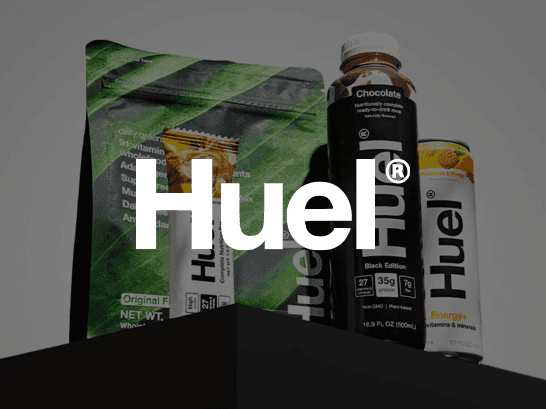
Huel, founded in 2014 by Julian Hearn and James Collier, set out to redefine food as “complete nutrition.” The brand’s mission — delivering convenient, affordable, nutritionally complete meals — made it a pioneer of the “functional food” category.
Supplements
Huel, founded in 2014 by Julian Hearn and James Collier, set out to redefine food as “complete nutrition.” The brand’s mission — delivering convenient, affordable, nutritionally complete meals — made it a pioneer of the “functional food” category.
Supplements

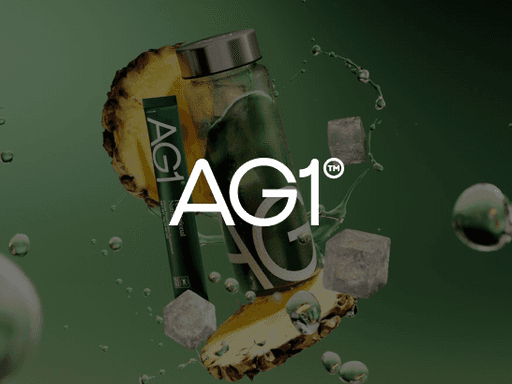
AG1 was founded in 2010 by Chris Ashenden to simplify daily nutrition with a single, comprehensive greens formula. The company has since evolved into a discipline‑led wellness brand known for a “one product, one promise” focus (AG1) — recently expanding into complementary SKUs while preserving DTC subscription economics.
Supplements
AG1 was founded in 2010 by Chris Ashenden to simplify daily nutrition with a single, comprehensive greens formula. The company has since evolved into a discipline‑led wellness brand known for a “one product, one promise” focus (AG1) — recently expanding into complementary SKUs while preserving DTC subscription economics.
Apparel & Activewear
Gymshark began in 2012 as a garage-born fitness apparel brand created by Ben Francis, a 19-year-old student in Birmingham. What started with a screen-printing press and Shopify storefront evolved into one of the most successful DTC-to-global retail transitions of the last decade.
Supplements
Huel, founded in 2014 by Julian Hearn and James Collier, set out to redefine food as “complete nutrition.” The brand’s mission — delivering convenient, affordable, nutritionally complete meals — made it a pioneer of the “functional food” category.
Supplements
AG1 was founded in 2010 by Chris Ashenden to simplify daily nutrition with a single, comprehensive greens formula. The company has since evolved into a discipline‑led wellness brand known for a “one product, one promise” focus (AG1) — recently expanding into complementary SKUs while preserving DTC subscription economics.
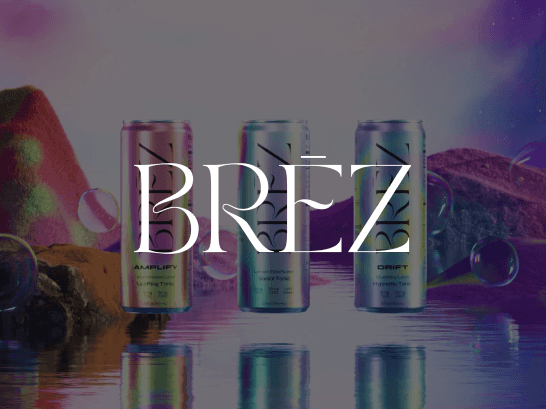
Food & Beverage
BRĒZ launched in 2023 to create a credible, feel‑good alternative to alcohol: micro‑dosed, hemp‑derived THC + CBD beverages stacked with lion’s mane and adaptogens — later expanding into THC‑free functional tonics (e.g., Flow).

Direct access to the playbooks today’s top D2C E-com brands use to scale, plus the tools and frameworks to put them into action.
Copyright © 2025 - Insider Playbooks Inc.

This website is not affiliated with, endorsed by, or sponsored by any of the platforms or brands mentioned, or their affiliates. All product and company names are trademarks™ or registered® trademarks of their respective holders. We curate samples of publicly available data and provide our own expert insights to help users better understand the e-cpm landscape. Use of these names does not imply any affiliation with or endorsement by them.
Direct access to the playbooks today’s top D2C E-com brands use to scale, plus the tools and frameworks to put them into action.
Copyright © 2025 - Insider Playbooks Inc.
This website is not affiliated with, endorsed by, or sponsored by any of the platforms or brands mentioned, or their affiliates. All product and company names are trademarks™ or registered® trademarks of their respective holders. We curate samples of publicly available data and provide our own expert insights to help users better understand the e-cpm landscape. Use of these names does not imply any affiliation with or endorsement by them.
Direct access to the playbooks today’s top D2C E-com brands use to scale, plus the tools and frameworks to put them into action.
Copyright © 2025 - Insider Playbooks Inc.
This website is not affiliated with, endorsed by, or sponsored by any of the platforms or brands mentioned, or their affiliates. All product and company names are trademarks™ or registered® trademarks of their respective holders. We curate samples of publicly available data and provide our own expert insights to help users better understand the e-com landscape. Use of these names does not imply any affiliation with or endorsement by them.