Supplements
Supplements
Supplements
AG1
AG1
AG1
AG1 was founded in 2010 by Chris Ashenden to simplify daily nutrition with a single, comprehensive greens formula. The company has since evolved into a discipline‑led wellness brand known for a “one product, one promise” focus (AG1) — recently expanding into complementary SKUs while preserving DTC subscription economics.
AG1 was founded in 2010 by Chris Ashenden to simplify daily nutrition with a single, comprehensive greens formula. The company has since evolved into a discipline‑led wellness brand known for a “one product, one promise” focus (AG1) — recently expanding into complementary SKUs while preserving DTC subscription economics.
Playbook
Wining Strategy Deep Dive
Have Dexter read it to you ↓
0:00/1:34
Introduction
AG1 was founded in 2010 by Chris Ashenden to simplify daily nutrition with a single, comprehensive greens formula. The company has since evolved into a discipline‑led wellness brand known for a “one product, one promise” focus (AG1) — recently expanding into complementary SKUs while preserving DTC subscription economics. Under CEO Kat Cole, the brand sharpened its science and credibility story (NSF Certified for Sport, clinical trials) and began selective retail expansion to broaden reach. This playbook unpacks AG1’s recent performance, the full customer journey (Acquisition → Conversion → Retention), the tech and operating model behind scale, and the operator lessons you can apply.
Financial & Growth Snapshot
Revenue scale: ~$600M in 2024, up ~4× from $160M in 2021; profitability reported in 2024.
Funding & valuation: $115M round in Jan 2022, valuing the company at ~$1.2B pre‑money.
Channel model: Historically sold almost entirely via its website; in May 2025 launched first national retail partnership with Costco (40‑count stick packs) across 600+ U.S. locations.
Science & quality moat: NSF Certified for Sport; four randomized, placebo‑controlled clinical trials underpin “AG1 Next Gen” (2025) with $20M earmarked for research over 3 years.
Geographic/ops footprint: Globally distributed DTC operation with TGA‑registered manufacturing in New Zealand and third‑party testing on every batch.
Leadership & org: Kat Cole elevated to CEO in 2024/25 cycle to lead channel expansion and new product roadmap.
Marketing Playbook
Acquisition & Attract
AG1 built one of the most effective trust‑led acquisition engines in wellness — anchored in creator credibility, podcasts, and a single‑product focus that compounds referrals.
1. Podcast + creator trust engine (long‑horizon, host‑read)
Heavy share of spend in host‑read placements (e.g., Tim Ferriss, Huberman Lab) where trusted experts integrate AG1 into routines — durable attention > CPM games.
Long‑term partnerships reduce CAC volatility and supply modular UGC for paid social/search.
For operators: Trade short bursts for 6–12‑month creator deals; require usage narratives and whitelisted rights to recycle into ads.
2. “One product, many jobs” positioning
For years the brand focused on one flagship SKU (AG1) to concentrate message, reviews, and education — minimizing selection friction and media dilution.
The “foundational nutrition” frame broadens addressable jobs (energy, immunity, gut health) without fragmenting SKUs.
For operators: Collapse your pitch to one flagship outcome; expand breadth through use‑cases, not products.
3. Evidence as advertising
NSF Certified for Sport and clinical trials are front‑of‑funnel messages — turning quality credentials into thumb‑stopping creative and landing‑page proof.
Science‑backed differentiation separates AG1 from copycat “greens” and earns high‑trust endorsements (pro teams, endurance communities).
For operators: Lead with third‑party proof (certifications, trials, standards); show the logos and lift snippets into your ads.
4. Referral loops and social proof at scale
Executive commentary and industry press emphasize referrals/recommendations as a major growth driver; creator amplification fuels word‑of‑mouth.
Community endorsements (athletes, coaches) operate as always‑on acquisition.
For operators: Instrument referrals as a media channel; measure “% new from referred sessions” alongside CAC.
5. Retail as media (Costco 2025)
Selective, Costco‑only rollout with 40‑count sticks functions as high‑reach sampling, priced and packaged for trial, without cannibalizing subscription bundles.
End‑cap storytelling + on‑pack QR routes shoppers to owned education and offers.
For operators: Enter retail with a trial‑first SKU and explicit DTC bridge (QR/offer) — retail drives discovery; DTC captures LTV.
Conversion
AG1 converts interest into habit by reducing perceived risk (quality, science), making subscription feel safe, and using bundles/offers to accelerate first value.
1. Subscription as default — with visible control
“Subscribe & Save” foregrounded; skip/swap/cancel is overt, cutting commitment anxiety and improving opt‑in.
Delivery cadence matched to actual consumption (sticks vs pouch) reduces early churn.
For operators: Put control terms on the PDP and in checkout — conversion rises and later churn falls.
2. Proof‑rich PDPs & partner landers
PDPs stack NSF certification, ingredient transparency, and trial outcomes; partner LPs (e.g., Huberman) add tailored offers (free D3+K2 + travel packs).
Deep FAQs and objection handling (“taste, timing, coffee, travel”) lower category skepticism.
For operators: Build specific landers per partner persona; pair a value add‑on with educational proof blocks.
3. Starter bundles and add‑ons to raise AOV
First‑order packages commonly include AG1 pouch + travel sticks; cross‑sells to Vitamin D3+K2 and Omega‑3 create complementary value without product confusion.
Bundles double as onboarding aids (home + travel), ensuring uninterrupted use in month one.
For operators: Bundle for the first 30 days of success, not for margin optics — usage continuity beats short‑term AOV.
4. Cost‑per‑serving framing
Pricing reframed from bag cost to per‑serving value against common substitutes (smoothies, juices) to neutralize sticker shock.
Used consistently in ads, LPs, and partner scripts to anchor perceived fairness.
For operators: Standardize “per‑use” math across creative to improve CVR and reduce price objections.
5. Retail‑to‑DTC bridge
Costco 40‑count lowers trial barrier; inserts/QRs move customers to subscription (higher LTV SKUs) once habit is formed.
Measured via offer codes and landing‑page cohorts for CAC payback across channels.
For operators: Treat first retail purchase as MQL, not a sale — build an owned conversion path from the packaging up.
Retention & Loyalty
Retention is engineered around habit formation, cadence fit, and continuous product improvement — not transactional discounting.
1. Onboarding that creates a morning ritual
Day‑0 to Day‑10 education: mixing, timing, travel tips, and “stacking” with coffee/water — to secure first 7 consecutive uses.
The objective is a behavior lock‑in, not just education.
For operators: Design 5–7 touchpoints that guide the first 10 uses; track “Day‑7 consecutive use” as a north‑star.
2. Quality/clinical updates as re‑engagement
AG1 Next Gen (2025) and trial results are messaged to actives and lapsers, reframing the product as a living standard that keeps getting better.
Science updates increase pride of ownership and reduce price sensitivity.
For operators: Announce improvements like feature releases — “what changed, why it matters, how you benefit.”
3. Reason‑based churn saves
Exit reasons (taste, routine drift, oversupply, price) trigger targeted saves: cadence change, stick‑pack swap, recipe tips, or one‑time credit.
“Pause” prioritized over “cancel,” preserving cohorts through life events.
For operators: Build three pre‑baked saves for your top churn reasons; make “pause” the default pathway.
4. Community credibility for long‑term stickiness
NSF Certified status + athlete partnerships (IRONMAN, teams) validate daily use for performance‑minded segments.
Social proof (before/after routines, coaches) keeps AG1 part of identity rather than a line item.
For operators: Convert credibility assets into lifecycle content; rotate proof modules quarterly.
5. Portfolio extensions that reinforce the core (not distract)
Add‑ons D3+K2, Omega‑3, and new AGZ sleep drink reinforce a simple day/night ritual — without abandoning the “foundational” AG1 core.
Cross‑sell is framed as pillars (Nutrition AM / Sleep PM) instead of SKU sprawl.
For operators: If you expand, do it by ritual pillar; attach new SKUs to existing habits to protect retention.
Journey Summary
AG1’s loop compounds: podcasts + expert creators generate high‑trust awareness; proof‑rich PDPs and partner landers convert via subscription with visible control; onboarding, cadence fit, and ongoing science upgrades maintain habit — now amplified by a retail trial SKU that routes customers back to owned subscription. The result: rising LTV, faster CAC payback, and a defensible quality moat.
Design & Build (Technology, UX & Performance)
AG1 runs a scaled DTC subscription operation layered with creator landing pages and a selective retail bridge — optimized for reliability, science storytelling, and cohort visibility.
Commerce & subscription: Enterprise DTC stack with subscription billing and flexible cadence by SKU (pouch vs sticks). Partner landers (e.g., Huberman) use dedicated CTAs/offers and deep education blocks.
Proof & compliance UX: Quality pages foreground NSF Certified for Sport and batch testing; research hub surfaces randomized, placebo‑controlled trials for consumers and pros.
Attribution & offers: Creator‑specific URLs/codes attribute spend; Costco packaging acts as an offline “ad unit” that bridges to DTC with QR and subscription offers.
Customer service & logistics: 24/7 support and robust tracking reduce WISMO; travel packs maintain continuity when customers are away.
Manufacturing & QA: TGA‑registered facility (NZ) with third‑party analytics; batch COAs and banned‑substance screening maintain athlete trust and reduce reputational risk.
Retail operations: Costco SKU purpose‑built (40‑count sticks) for trial economics, case‑pack efficiency, and price‑point clarity without undermining DTC bundles.
Strategic Lessons for Operators
Lead with proof, not personality. Certifications and trials travel further across channels than founder stories — and keep converting over time.
Make one product carry many jobs. Concentrate brand signal in one flagship, then expand through use‑cases and rituals.
Turn creators into channels. Long‑term host‑read partnerships produce cheaper CAC and reusable assets than short bursts.
Price per serving beats price per bag. Reframing to cost‑per‑use meaningfully lifts CVR in consumables.
Engineer habit in week one. Onboarding for consecutive‑day use is the single biggest retention unlock.
Upgrade the product, tell the story. Treat formula improvements like feature releases to re‑activate cohorts and justify price.
Enter retail as trial, not core. Build a trial‑first SKU and a DTC bridge so retail fuels subscription LTV.
Measure second‑order economics. Judge media on LTV/CAC and payback, not first‑order ROAS — especially in creator and podcast channels.
Protect the credibility moat. Batch COAs and third‑party standards are defense against a crowded “greens” market.
Extend by pillars, not proliferation. New SKUs should reinforce the morning/evening ritual — not fragment focus.
Key Takeaways
Clinical trials + NSF certification turned quality into a performance channel, compressing CAC across creator and retail discovery.
A single flagship SKU built dense social proof and referrals — then smartly expanded into complementary pillars (sleep, essentials).
Costco’s 40‑stick format widens the top of funnel while DTC subscription captures margin and LTV.
Onboarding, cadence fit, and portfolio design around morning/evening routines drive retention economics that fund growth.
Wining Strategy Deep Dive
Playbook
Have Dexter read it to you ↓
0:00/1:34
Introduction
AG1 was founded in 2010 by Chris Ashenden to simplify daily nutrition with a single, comprehensive greens formula. The company has since evolved into a discipline‑led wellness brand known for a “one product, one promise” focus (AG1) — recently expanding into complementary SKUs while preserving DTC subscription economics. Under CEO Kat Cole, the brand sharpened its science and credibility story (NSF Certified for Sport, clinical trials) and began selective retail expansion to broaden reach. This playbook unpacks AG1’s recent performance, the full customer journey (Acquisition → Conversion → Retention), the tech and operating model behind scale, and the operator lessons you can apply.
Financial & Growth Snapshot
Revenue scale: ~$600M in 2024, up ~4× from $160M in 2021; profitability reported in 2024.
Funding & valuation: $115M round in Jan 2022, valuing the company at ~$1.2B pre‑money.
Channel model: Historically sold almost entirely via its website; in May 2025 launched first national retail partnership with Costco (40‑count stick packs) across 600+ U.S. locations.
Science & quality moat: NSF Certified for Sport; four randomized, placebo‑controlled clinical trials underpin “AG1 Next Gen” (2025) with $20M earmarked for research over 3 years.
Geographic/ops footprint: Globally distributed DTC operation with TGA‑registered manufacturing in New Zealand and third‑party testing on every batch.
Leadership & org: Kat Cole elevated to CEO in 2024/25 cycle to lead channel expansion and new product roadmap.
Marketing Playbook
Acquisition & Attract
AG1 built one of the most effective trust‑led acquisition engines in wellness — anchored in creator credibility, podcasts, and a single‑product focus that compounds referrals.
1. Podcast + creator trust engine (long‑horizon, host‑read)
Heavy share of spend in host‑read placements (e.g., Tim Ferriss, Huberman Lab) where trusted experts integrate AG1 into routines — durable attention > CPM games.
Long‑term partnerships reduce CAC volatility and supply modular UGC for paid social/search.
For operators: Trade short bursts for 6–12‑month creator deals; require usage narratives and whitelisted rights to recycle into ads.
2. “One product, many jobs” positioning
For years the brand focused on one flagship SKU (AG1) to concentrate message, reviews, and education — minimizing selection friction and media dilution.
The “foundational nutrition” frame broadens addressable jobs (energy, immunity, gut health) without fragmenting SKUs.
For operators: Collapse your pitch to one flagship outcome; expand breadth through use‑cases, not products.
3. Evidence as advertising
NSF Certified for Sport and clinical trials are front‑of‑funnel messages — turning quality credentials into thumb‑stopping creative and landing‑page proof.
Science‑backed differentiation separates AG1 from copycat “greens” and earns high‑trust endorsements (pro teams, endurance communities).
For operators: Lead with third‑party proof (certifications, trials, standards); show the logos and lift snippets into your ads.
4. Referral loops and social proof at scale
Executive commentary and industry press emphasize referrals/recommendations as a major growth driver; creator amplification fuels word‑of‑mouth.
Community endorsements (athletes, coaches) operate as always‑on acquisition.
For operators: Instrument referrals as a media channel; measure “% new from referred sessions” alongside CAC.
5. Retail as media (Costco 2025)
Selective, Costco‑only rollout with 40‑count sticks functions as high‑reach sampling, priced and packaged for trial, without cannibalizing subscription bundles.
End‑cap storytelling + on‑pack QR routes shoppers to owned education and offers.
For operators: Enter retail with a trial‑first SKU and explicit DTC bridge (QR/offer) — retail drives discovery; DTC captures LTV.
Conversion
AG1 converts interest into habit by reducing perceived risk (quality, science), making subscription feel safe, and using bundles/offers to accelerate first value.
1. Subscription as default — with visible control
“Subscribe & Save” foregrounded; skip/swap/cancel is overt, cutting commitment anxiety and improving opt‑in.
Delivery cadence matched to actual consumption (sticks vs pouch) reduces early churn.
For operators: Put control terms on the PDP and in checkout — conversion rises and later churn falls.
2. Proof‑rich PDPs & partner landers
PDPs stack NSF certification, ingredient transparency, and trial outcomes; partner LPs (e.g., Huberman) add tailored offers (free D3+K2 + travel packs).
Deep FAQs and objection handling (“taste, timing, coffee, travel”) lower category skepticism.
For operators: Build specific landers per partner persona; pair a value add‑on with educational proof blocks.
3. Starter bundles and add‑ons to raise AOV
First‑order packages commonly include AG1 pouch + travel sticks; cross‑sells to Vitamin D3+K2 and Omega‑3 create complementary value without product confusion.
Bundles double as onboarding aids (home + travel), ensuring uninterrupted use in month one.
For operators: Bundle for the first 30 days of success, not for margin optics — usage continuity beats short‑term AOV.
4. Cost‑per‑serving framing
Pricing reframed from bag cost to per‑serving value against common substitutes (smoothies, juices) to neutralize sticker shock.
Used consistently in ads, LPs, and partner scripts to anchor perceived fairness.
For operators: Standardize “per‑use” math across creative to improve CVR and reduce price objections.
5. Retail‑to‑DTC bridge
Costco 40‑count lowers trial barrier; inserts/QRs move customers to subscription (higher LTV SKUs) once habit is formed.
Measured via offer codes and landing‑page cohorts for CAC payback across channels.
For operators: Treat first retail purchase as MQL, not a sale — build an owned conversion path from the packaging up.
Retention & Loyalty
Retention is engineered around habit formation, cadence fit, and continuous product improvement — not transactional discounting.
1. Onboarding that creates a morning ritual
Day‑0 to Day‑10 education: mixing, timing, travel tips, and “stacking” with coffee/water — to secure first 7 consecutive uses.
The objective is a behavior lock‑in, not just education.
For operators: Design 5–7 touchpoints that guide the first 10 uses; track “Day‑7 consecutive use” as a north‑star.
2. Quality/clinical updates as re‑engagement
AG1 Next Gen (2025) and trial results are messaged to actives and lapsers, reframing the product as a living standard that keeps getting better.
Science updates increase pride of ownership and reduce price sensitivity.
For operators: Announce improvements like feature releases — “what changed, why it matters, how you benefit.”
3. Reason‑based churn saves
Exit reasons (taste, routine drift, oversupply, price) trigger targeted saves: cadence change, stick‑pack swap, recipe tips, or one‑time credit.
“Pause” prioritized over “cancel,” preserving cohorts through life events.
For operators: Build three pre‑baked saves for your top churn reasons; make “pause” the default pathway.
4. Community credibility for long‑term stickiness
NSF Certified status + athlete partnerships (IRONMAN, teams) validate daily use for performance‑minded segments.
Social proof (before/after routines, coaches) keeps AG1 part of identity rather than a line item.
For operators: Convert credibility assets into lifecycle content; rotate proof modules quarterly.
5. Portfolio extensions that reinforce the core (not distract)
Add‑ons D3+K2, Omega‑3, and new AGZ sleep drink reinforce a simple day/night ritual — without abandoning the “foundational” AG1 core.
Cross‑sell is framed as pillars (Nutrition AM / Sleep PM) instead of SKU sprawl.
For operators: If you expand, do it by ritual pillar; attach new SKUs to existing habits to protect retention.
Journey Summary
AG1’s loop compounds: podcasts + expert creators generate high‑trust awareness; proof‑rich PDPs and partner landers convert via subscription with visible control; onboarding, cadence fit, and ongoing science upgrades maintain habit — now amplified by a retail trial SKU that routes customers back to owned subscription. The result: rising LTV, faster CAC payback, and a defensible quality moat.
Design & Build (Technology, UX & Performance)
AG1 runs a scaled DTC subscription operation layered with creator landing pages and a selective retail bridge — optimized for reliability, science storytelling, and cohort visibility.
Commerce & subscription: Enterprise DTC stack with subscription billing and flexible cadence by SKU (pouch vs sticks). Partner landers (e.g., Huberman) use dedicated CTAs/offers and deep education blocks.
Proof & compliance UX: Quality pages foreground NSF Certified for Sport and batch testing; research hub surfaces randomized, placebo‑controlled trials for consumers and pros.
Attribution & offers: Creator‑specific URLs/codes attribute spend; Costco packaging acts as an offline “ad unit” that bridges to DTC with QR and subscription offers.
Customer service & logistics: 24/7 support and robust tracking reduce WISMO; travel packs maintain continuity when customers are away.
Manufacturing & QA: TGA‑registered facility (NZ) with third‑party analytics; batch COAs and banned‑substance screening maintain athlete trust and reduce reputational risk.
Retail operations: Costco SKU purpose‑built (40‑count sticks) for trial economics, case‑pack efficiency, and price‑point clarity without undermining DTC bundles.
Strategic Lessons for Operators
Lead with proof, not personality. Certifications and trials travel further across channels than founder stories — and keep converting over time.
Make one product carry many jobs. Concentrate brand signal in one flagship, then expand through use‑cases and rituals.
Turn creators into channels. Long‑term host‑read partnerships produce cheaper CAC and reusable assets than short bursts.
Price per serving beats price per bag. Reframing to cost‑per‑use meaningfully lifts CVR in consumables.
Engineer habit in week one. Onboarding for consecutive‑day use is the single biggest retention unlock.
Upgrade the product, tell the story. Treat formula improvements like feature releases to re‑activate cohorts and justify price.
Enter retail as trial, not core. Build a trial‑first SKU and a DTC bridge so retail fuels subscription LTV.
Measure second‑order economics. Judge media on LTV/CAC and payback, not first‑order ROAS — especially in creator and podcast channels.
Protect the credibility moat. Batch COAs and third‑party standards are defense against a crowded “greens” market.
Extend by pillars, not proliferation. New SKUs should reinforce the morning/evening ritual — not fragment focus.
Key Takeaways
Clinical trials + NSF certification turned quality into a performance channel, compressing CAC across creator and retail discovery.
A single flagship SKU built dense social proof and referrals — then smartly expanded into complementary pillars (sleep, essentials).
Costco’s 40‑stick format widens the top of funnel while DTC subscription captures margin and LTV.
Onboarding, cadence fit, and portfolio design around morning/evening routines drive retention economics that fund growth.
Playbook
Wining Strategy Deep Dive
Have Dexter read it to you ↓
0:00/1:34
Introduction
AG1 was founded in 2010 by Chris Ashenden to simplify daily nutrition with a single, comprehensive greens formula. The company has since evolved into a discipline‑led wellness brand known for a “one product, one promise” focus (AG1) — recently expanding into complementary SKUs while preserving DTC subscription economics. Under CEO Kat Cole, the brand sharpened its science and credibility story (NSF Certified for Sport, clinical trials) and began selective retail expansion to broaden reach. This playbook unpacks AG1’s recent performance, the full customer journey (Acquisition → Conversion → Retention), the tech and operating model behind scale, and the operator lessons you can apply.
Financial & Growth Snapshot
Revenue scale: ~$600M in 2024, up ~4× from $160M in 2021; profitability reported in 2024.
Funding & valuation: $115M round in Jan 2022, valuing the company at ~$1.2B pre‑money.
Channel model: Historically sold almost entirely via its website; in May 2025 launched first national retail partnership with Costco (40‑count stick packs) across 600+ U.S. locations.
Science & quality moat: NSF Certified for Sport; four randomized, placebo‑controlled clinical trials underpin “AG1 Next Gen” (2025) with $20M earmarked for research over 3 years.
Geographic/ops footprint: Globally distributed DTC operation with TGA‑registered manufacturing in New Zealand and third‑party testing on every batch.
Leadership & org: Kat Cole elevated to CEO in 2024/25 cycle to lead channel expansion and new product roadmap.
Marketing Playbook
Acquisition & Attract
AG1 built one of the most effective trust‑led acquisition engines in wellness — anchored in creator credibility, podcasts, and a single‑product focus that compounds referrals.
1. Podcast + creator trust engine (long‑horizon, host‑read)
Heavy share of spend in host‑read placements (e.g., Tim Ferriss, Huberman Lab) where trusted experts integrate AG1 into routines — durable attention > CPM games.
Long‑term partnerships reduce CAC volatility and supply modular UGC for paid social/search.
For operators: Trade short bursts for 6–12‑month creator deals; require usage narratives and whitelisted rights to recycle into ads.
2. “One product, many jobs” positioning
For years the brand focused on one flagship SKU (AG1) to concentrate message, reviews, and education — minimizing selection friction and media dilution.
The “foundational nutrition” frame broadens addressable jobs (energy, immunity, gut health) without fragmenting SKUs.
For operators: Collapse your pitch to one flagship outcome; expand breadth through use‑cases, not products.
3. Evidence as advertising
NSF Certified for Sport and clinical trials are front‑of‑funnel messages — turning quality credentials into thumb‑stopping creative and landing‑page proof.
Science‑backed differentiation separates AG1 from copycat “greens” and earns high‑trust endorsements (pro teams, endurance communities).
For operators: Lead with third‑party proof (certifications, trials, standards); show the logos and lift snippets into your ads.
4. Referral loops and social proof at scale
Executive commentary and industry press emphasize referrals/recommendations as a major growth driver; creator amplification fuels word‑of‑mouth.
Community endorsements (athletes, coaches) operate as always‑on acquisition.
For operators: Instrument referrals as a media channel; measure “% new from referred sessions” alongside CAC.
5. Retail as media (Costco 2025)
Selective, Costco‑only rollout with 40‑count sticks functions as high‑reach sampling, priced and packaged for trial, without cannibalizing subscription bundles.
End‑cap storytelling + on‑pack QR routes shoppers to owned education and offers.
For operators: Enter retail with a trial‑first SKU and explicit DTC bridge (QR/offer) — retail drives discovery; DTC captures LTV.
Conversion
AG1 converts interest into habit by reducing perceived risk (quality, science), making subscription feel safe, and using bundles/offers to accelerate first value.
1. Subscription as default — with visible control
“Subscribe & Save” foregrounded; skip/swap/cancel is overt, cutting commitment anxiety and improving opt‑in.
Delivery cadence matched to actual consumption (sticks vs pouch) reduces early churn.
For operators: Put control terms on the PDP and in checkout — conversion rises and later churn falls.
2. Proof‑rich PDPs & partner landers
PDPs stack NSF certification, ingredient transparency, and trial outcomes; partner LPs (e.g., Huberman) add tailored offers (free D3+K2 + travel packs).
Deep FAQs and objection handling (“taste, timing, coffee, travel”) lower category skepticism.
For operators: Build specific landers per partner persona; pair a value add‑on with educational proof blocks.
3. Starter bundles and add‑ons to raise AOV
First‑order packages commonly include AG1 pouch + travel sticks; cross‑sells to Vitamin D3+K2 and Omega‑3 create complementary value without product confusion.
Bundles double as onboarding aids (home + travel), ensuring uninterrupted use in month one.
For operators: Bundle for the first 30 days of success, not for margin optics — usage continuity beats short‑term AOV.
4. Cost‑per‑serving framing
Pricing reframed from bag cost to per‑serving value against common substitutes (smoothies, juices) to neutralize sticker shock.
Used consistently in ads, LPs, and partner scripts to anchor perceived fairness.
For operators: Standardize “per‑use” math across creative to improve CVR and reduce price objections.
5. Retail‑to‑DTC bridge
Costco 40‑count lowers trial barrier; inserts/QRs move customers to subscription (higher LTV SKUs) once habit is formed.
Measured via offer codes and landing‑page cohorts for CAC payback across channels.
For operators: Treat first retail purchase as MQL, not a sale — build an owned conversion path from the packaging up.
Retention & Loyalty
Retention is engineered around habit formation, cadence fit, and continuous product improvement — not transactional discounting.
1. Onboarding that creates a morning ritual
Day‑0 to Day‑10 education: mixing, timing, travel tips, and “stacking” with coffee/water — to secure first 7 consecutive uses.
The objective is a behavior lock‑in, not just education.
For operators: Design 5–7 touchpoints that guide the first 10 uses; track “Day‑7 consecutive use” as a north‑star.
2. Quality/clinical updates as re‑engagement
AG1 Next Gen (2025) and trial results are messaged to actives and lapsers, reframing the product as a living standard that keeps getting better.
Science updates increase pride of ownership and reduce price sensitivity.
For operators: Announce improvements like feature releases — “what changed, why it matters, how you benefit.”
3. Reason‑based churn saves
Exit reasons (taste, routine drift, oversupply, price) trigger targeted saves: cadence change, stick‑pack swap, recipe tips, or one‑time credit.
“Pause” prioritized over “cancel,” preserving cohorts through life events.
For operators: Build three pre‑baked saves for your top churn reasons; make “pause” the default pathway.
4. Community credibility for long‑term stickiness
NSF Certified status + athlete partnerships (IRONMAN, teams) validate daily use for performance‑minded segments.
Social proof (before/after routines, coaches) keeps AG1 part of identity rather than a line item.
For operators: Convert credibility assets into lifecycle content; rotate proof modules quarterly.
5. Portfolio extensions that reinforce the core (not distract)
Add‑ons D3+K2, Omega‑3, and new AGZ sleep drink reinforce a simple day/night ritual — without abandoning the “foundational” AG1 core.
Cross‑sell is framed as pillars (Nutrition AM / Sleep PM) instead of SKU sprawl.
For operators: If you expand, do it by ritual pillar; attach new SKUs to existing habits to protect retention.
Journey Summary
AG1’s loop compounds: podcasts + expert creators generate high‑trust awareness; proof‑rich PDPs and partner landers convert via subscription with visible control; onboarding, cadence fit, and ongoing science upgrades maintain habit — now amplified by a retail trial SKU that routes customers back to owned subscription. The result: rising LTV, faster CAC payback, and a defensible quality moat.
Design & Build (Technology, UX & Performance)
AG1 runs a scaled DTC subscription operation layered with creator landing pages and a selective retail bridge — optimized for reliability, science storytelling, and cohort visibility.
Commerce & subscription: Enterprise DTC stack with subscription billing and flexible cadence by SKU (pouch vs sticks). Partner landers (e.g., Huberman) use dedicated CTAs/offers and deep education blocks.
Proof & compliance UX: Quality pages foreground NSF Certified for Sport and batch testing; research hub surfaces randomized, placebo‑controlled trials for consumers and pros.
Attribution & offers: Creator‑specific URLs/codes attribute spend; Costco packaging acts as an offline “ad unit” that bridges to DTC with QR and subscription offers.
Customer service & logistics: 24/7 support and robust tracking reduce WISMO; travel packs maintain continuity when customers are away.
Manufacturing & QA: TGA‑registered facility (NZ) with third‑party analytics; batch COAs and banned‑substance screening maintain athlete trust and reduce reputational risk.
Retail operations: Costco SKU purpose‑built (40‑count sticks) for trial economics, case‑pack efficiency, and price‑point clarity without undermining DTC bundles.
Strategic Lessons for Operators
Lead with proof, not personality. Certifications and trials travel further across channels than founder stories — and keep converting over time.
Make one product carry many jobs. Concentrate brand signal in one flagship, then expand through use‑cases and rituals.
Turn creators into channels. Long‑term host‑read partnerships produce cheaper CAC and reusable assets than short bursts.
Price per serving beats price per bag. Reframing to cost‑per‑use meaningfully lifts CVR in consumables.
Engineer habit in week one. Onboarding for consecutive‑day use is the single biggest retention unlock.
Upgrade the product, tell the story. Treat formula improvements like feature releases to re‑activate cohorts and justify price.
Enter retail as trial, not core. Build a trial‑first SKU and a DTC bridge so retail fuels subscription LTV.
Measure second‑order economics. Judge media on LTV/CAC and payback, not first‑order ROAS — especially in creator and podcast channels.
Protect the credibility moat. Batch COAs and third‑party standards are defense against a crowded “greens” market.
Extend by pillars, not proliferation. New SKUs should reinforce the morning/evening ritual — not fragment focus.
Key Takeaways
Clinical trials + NSF certification turned quality into a performance channel, compressing CAC across creator and retail discovery.
A single flagship SKU built dense social proof and referrals — then smartly expanded into complementary pillars (sleep, essentials).
Costco’s 40‑stick format widens the top of funnel while DTC subscription captures margin and LTV.
Onboarding, cadence fit, and portfolio design around morning/evening routines drive retention economics that fund growth.
Key insight for operators
Dominate one product, make it a daily habit, build a trusted community around it, and then scale smart through premium positioning and multi-channel presence — that’s how AG1 unlocked growth.
Canvases
AG1's Customer Journey Displayed in Visual Canvases
AG1's Customer Journey Displayed in Visual Canvases
AG1's Customer Journey Displayed in Visual Canvases
Below you will find the all of the key assets included in AG1's e-com customer journey. Each canvas has key insights and section-by-section tactics to help you grow your e-com business.
Below you will find the all of the key assets included in AG1's e-com customer journey. Each canvas has key insights and section-by-section tactics to help you grow your e-com business.
Below you will find the all of the key assets included in AG1's e-com customer journey. Each canvas has key insights and section-by-section tactics to help you grow your e-com business.
Canvas Instructions
Enter full-screen mode by using the two arrows in the top right of the canvas window.
To zoom in and out, either pinch to zoom on your trackpad, or use command + vertical scroll.
To navigate, click and drag toward the sections of the canvas you would like to navigate to.
Website
Emails
Ads
Website
Emails
Ads
Website
Emails
Ads
Apparel & Activewear
Gymshark began in 2012 as a garage-born fitness apparel brand created by Ben Francis, a 19-year-old student in Birmingham. What started with a screen-printing press and Shopify storefront evolved into one of the most successful DTC-to-global retail transitions of the last decade.
Apparel & Activewear
Gymshark began in 2012 as a garage-born fitness apparel brand created by Ben Francis, a 19-year-old student in Birmingham. What started with a screen-printing press and Shopify storefront evolved into one of the most successful DTC-to-global retail transitions of the last decade.
Supplements
Huel, founded in 2014 by Julian Hearn and James Collier, set out to redefine food as “complete nutrition.” The brand’s mission — delivering convenient, affordable, nutritionally complete meals — made it a pioneer of the “functional food” category.
Supplements
Huel, founded in 2014 by Julian Hearn and James Collier, set out to redefine food as “complete nutrition.” The brand’s mission — delivering convenient, affordable, nutritionally complete meals — made it a pioneer of the “functional food” category.
Food & Beverage

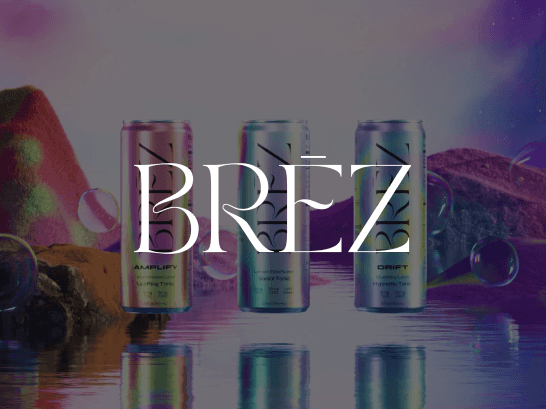
BRĒZ launched in 2023 to create a credible, feel‑good alternative to alcohol: micro‑dosed, hemp‑derived THC + CBD beverages stacked with lion’s mane and adaptogens — later expanding into THC‑free functional tonics (e.g., Flow).
Food & Beverage
BRĒZ launched in 2023 to create a credible, feel‑good alternative to alcohol: micro‑dosed, hemp‑derived THC + CBD beverages stacked with lion’s mane and adaptogens — later expanding into THC‑free functional tonics (e.g., Flow).
Apparel & Activewear
Gymshark began in 2012 as a garage-born fitness apparel brand created by Ben Francis, a 19-year-old student in Birmingham. What started with a screen-printing press and Shopify storefront evolved into one of the most successful DTC-to-global retail transitions of the last decade.
Supplements
Huel, founded in 2014 by Julian Hearn and James Collier, set out to redefine food as “complete nutrition.” The brand’s mission — delivering convenient, affordable, nutritionally complete meals — made it a pioneer of the “functional food” category.
Food & Beverage
BRĒZ launched in 2023 to create a credible, feel‑good alternative to alcohol: micro‑dosed, hemp‑derived THC + CBD beverages stacked with lion’s mane and adaptogens — later expanding into THC‑free functional tonics (e.g., Flow).
Food & Beverage

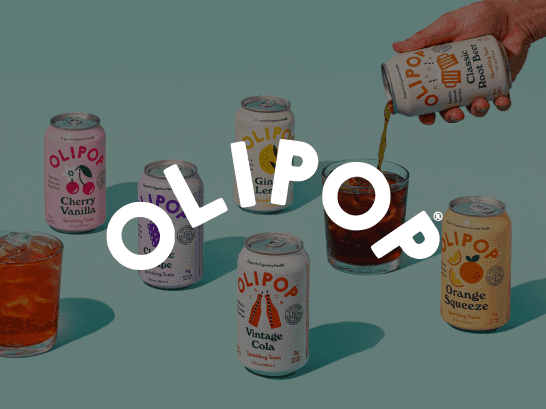
OLIPOP launched in 2018, founded by Ben Goodwin and David Lester to reinvent soda with prebiotics, plant fiber, and a fraction of the sugar. The brand stands for “a new kind of soda” — nostalgic flavors delivered with digestive‑health support — and has rapidly evolved from a challenger in natural grocery to a national retail force with a growing DTC subscription base.

Direct access to the playbooks today’s top D2C E-com brands use to scale, plus the tools and frameworks to put them into action.
Copyright © 2025 - Insider Playbooks Inc.

This website is not affiliated with, endorsed by, or sponsored by any of the platforms or brands mentioned, or their affiliates. All product and company names are trademarks™ or registered® trademarks of their respective holders. We curate samples of publicly available data and provide our own expert insights to help users better understand the e-cpm landscape. Use of these names does not imply any affiliation with or endorsement by them.
Direct access to the playbooks today’s top D2C E-com brands use to scale, plus the tools and frameworks to put them into action.
Copyright © 2025 - Insider Playbooks Inc.
This website is not affiliated with, endorsed by, or sponsored by any of the platforms or brands mentioned, or their affiliates. All product and company names are trademarks™ or registered® trademarks of their respective holders. We curate samples of publicly available data and provide our own expert insights to help users better understand the e-cpm landscape. Use of these names does not imply any affiliation with or endorsement by them.
Direct access to the playbooks today’s top D2C E-com brands use to scale, plus the tools and frameworks to put them into action.
Copyright © 2025 - Insider Playbooks Inc.
This website is not affiliated with, endorsed by, or sponsored by any of the platforms or brands mentioned, or their affiliates. All product and company names are trademarks™ or registered® trademarks of their respective holders. We curate samples of publicly available data and provide our own expert insights to help users better understand the e-com landscape. Use of these names does not imply any affiliation with or endorsement by them.